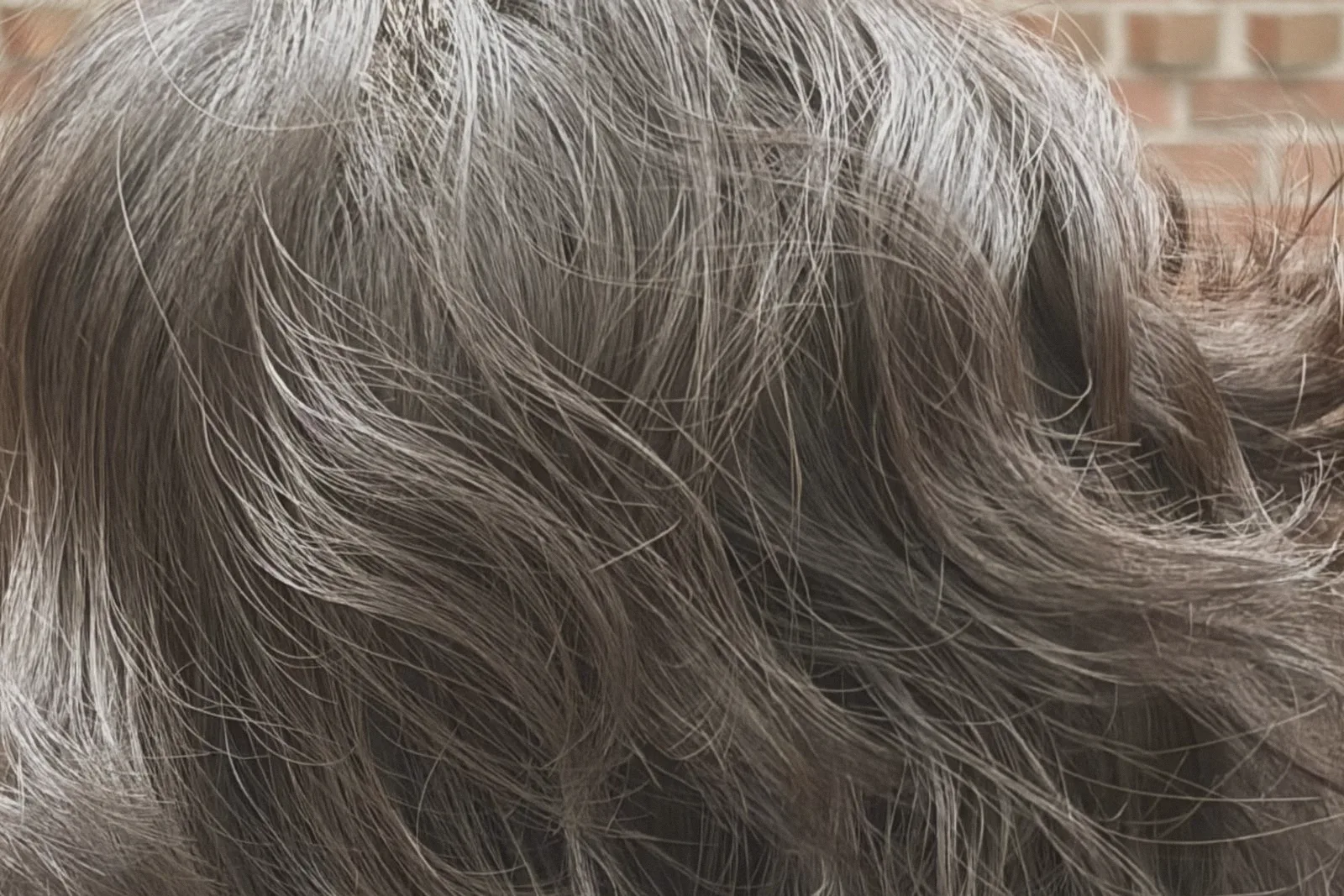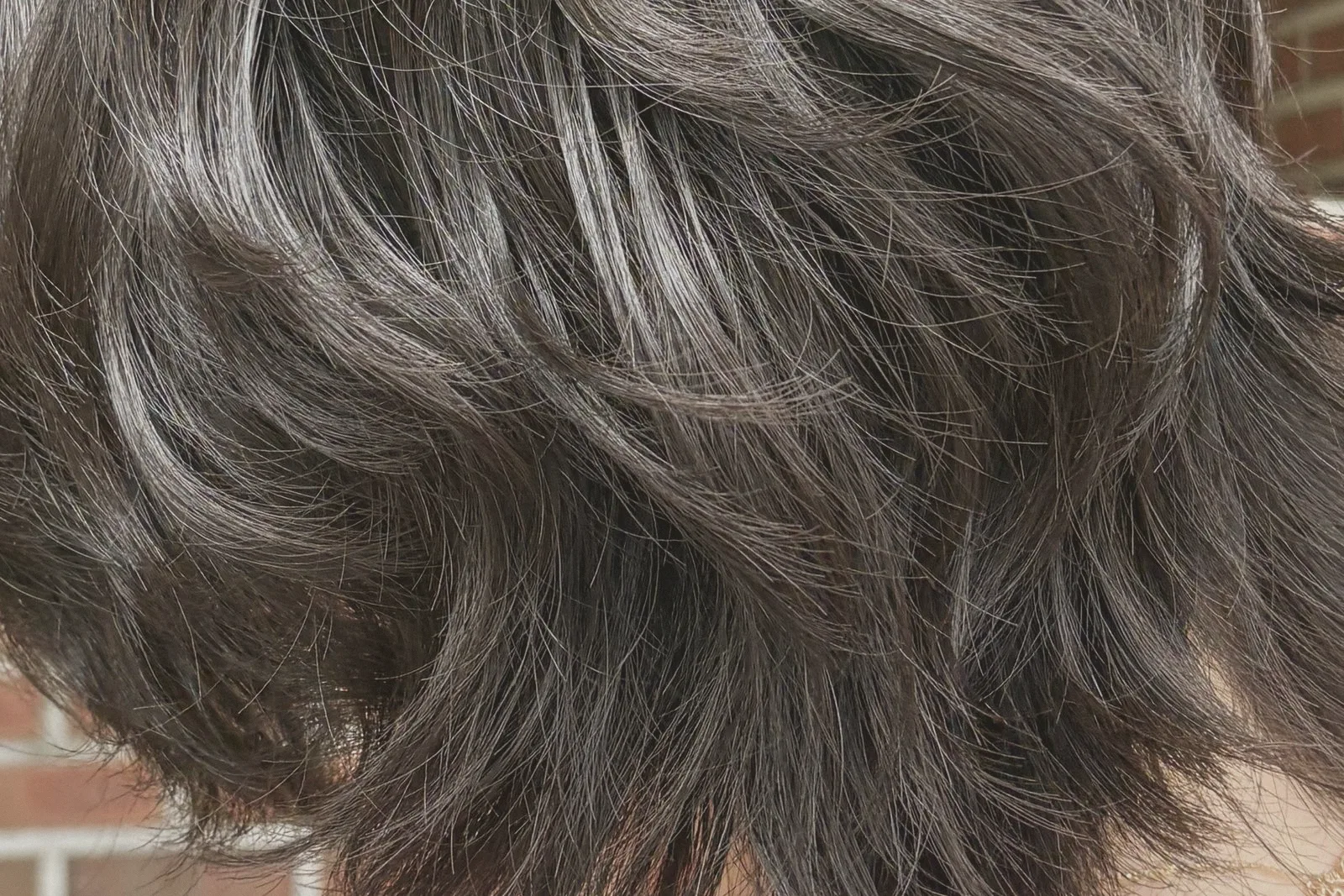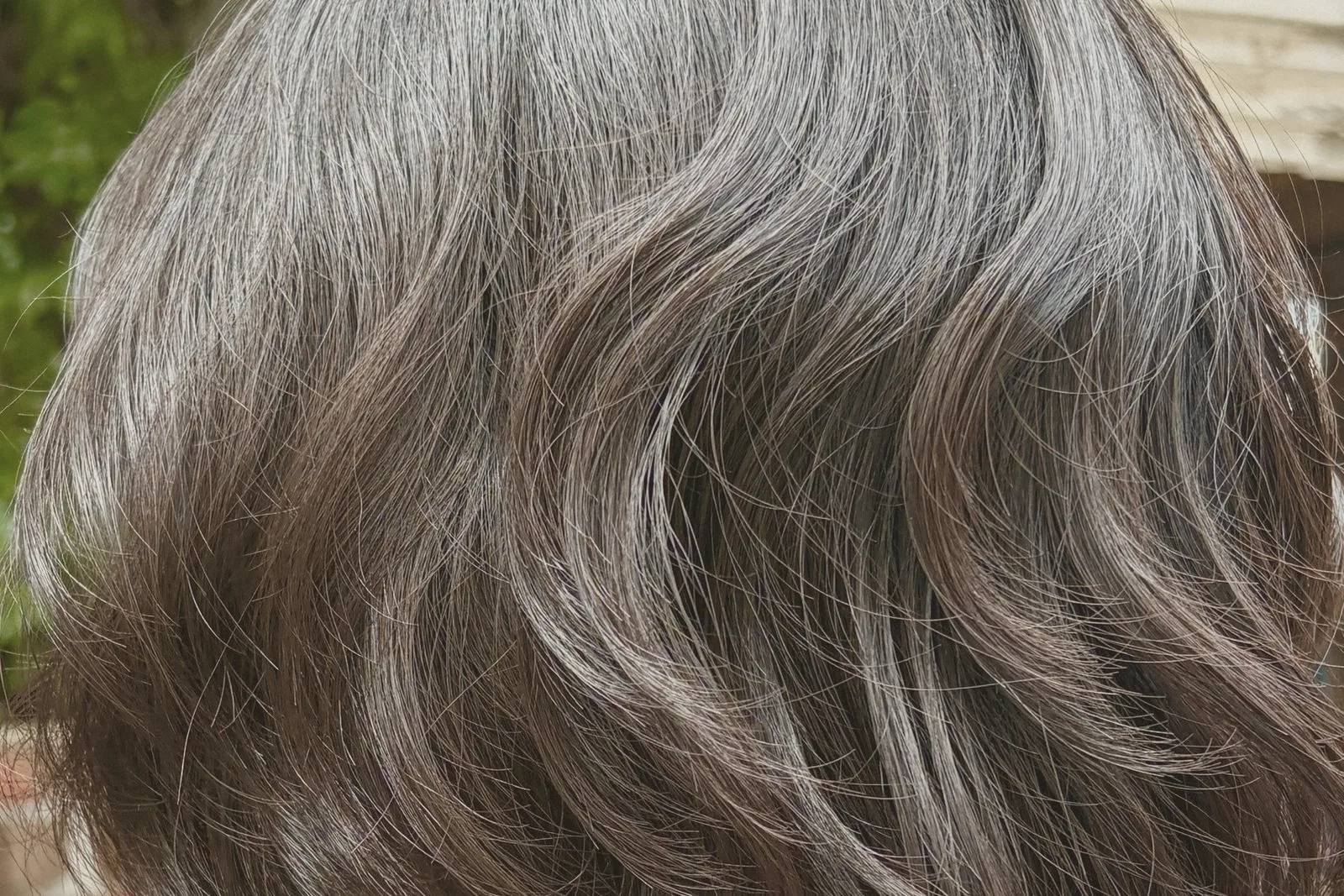
Hair oil before or after washing both have support. Before washing, oils that soak into the strand, such as coconut oil, reduced protein loss and can limit how much water and shampoo the hair takes up. After washing, a thin layer on damp lengths cuts friction, adds shine and slows moisture loss. Choose by what your hair needs.
Two bottles on a bathroom shelf, one labeled “pre-wash treatment” and the other “finishing oil,” can share most of their ingredients. The difference is less about what is inside than about what the oil meets next: shampoo and water, or a comb and a hair dryer. That is the real answer to the question of hair oil before or after washing. Both timings have research behind them, and they do different jobs.
Should you use hair oil before or after washing?
You can use hair oil before or after washing, and the better choice depends on whether you want to protect hair during the wash or smooth it afterward. Before washing, the oil acts as a buffer against water and shampoo. After washing, it works mostly on the surface, cutting friction and adding shine.
The study most often cited here compared coconut oil, sunflower oil and mineral oil on several hair types, both undamaged and damaged. Coconut oil was the only one of the three that markedly reduced protein loss from hair, and it did so both as a pre-wash and as a post-wash product. Sunflower and mineral oil did not reduce protein loss at all. The researchers used protein loss as their measure of hair damage, which is why the study is framed around keeping hair from being damaged.
So the choice is not only before or after. It is also which oil. If the goal is protecting the strand from the wash itself, the type of oil matters more than the timing.
Why does oiling hair before washing help?
Oiling before washing helps because some oils soak into the hair shaft and limit how much water it absorbs, and they may also slow how much shampoo gets in. A 2015 dermatology review of hair cosmetics sets out both effects.
The water part is about swelling. Hair absorbs water and swells when it is wet, then shrinks as it dries. The review explains that some oils can penetrate the hair and reduce the amount of water it absorbs, which lowers swelling. That can mean less hygral fatigue, the review’s term for repeated swelling and drying, which it names as a factor that can damage hair. It adds that oil can fill the gap between cuticle cells and keep aggressive substances such as surfactants (the cleansing agents in shampoo) from penetrating.
Whether an oil gets in at all depends on its structure. The coconut oil study explains that coconut oil is a triglyceride of lauric acid with a low molecular weight and a straight chain, which lets it penetrate the shaft and gives it a high affinity for hair proteins. Mineral oil is a hydrocarbon with no affinity for protein and does not penetrate. Sunflower oil is a triglyceride of linoleic acid, and its bulkier structure keeps it from penetrating the fiber.
That difference in behavior is worth checking against the ingredient list when a bottle tells you when to use it. An oil that cannot get into the strand has less to offer before a wash than after one.
How long should you leave oil in your hair before washing?
There is no tested ideal time, but the lab data suggest longer and warmer helps the oil soak in. Brand instructions we came across range from 30 minutes to a few hours to overnight, which tells you the number is guidance, not a measured threshold.
A 2005 study looked at how oil-coated hair fibers stick to each other, a sign of how much oil is still sitting on the surface. With coconut, olive and sunflower oil, that stickiness decreased over time. Applying heat reduced it further for coconut and sunflower oil. Mineral oil showed neither change. The researchers concluded that the oil film was thinning because the oil was being absorbed into the hair, and they confirmed it with a second measurement on single fibers.
In practice, that points to a simple rule. If you are oiling before a wash to protect your hair, give it time; in the lab, warmth sped absorption up for two of the oils tested. Whatever the label says, a longer wait mainly means more of the oil has moved from the surface into the strand.
Should you put hair oil on wet or dry hair?
After washing, damp hair is a good moment for oil, and a thin layer works better than a thick one. The review notes that the drop in combing force from oils comes from water wetting combined with the oil’s lubricating effect, and cites tress studies in which oils reduced split-end formation.
Two other details from the same body of research shape how much to use. The review says thick oil films can mask lifted cuticle scales but may leave hair looking oily and heavy, and that oils which leave a thin layer and are well absorbed are preferable for reapplying. A 2007 study adds a moisture angle: oil films lowered how fast water vapor moved in and out of hair fibers. Slowing water loss in that way is, in the authors’ words, an effect similar to moisturizing hair.
Many products sold as hair oil are not mostly oil at all. Retailer ingredient lists for RAIP’s R3 Argan Hair Oil, for example, start with cyclopentasiloxane, disiloxane and dimethicone, which are silicones, with argan oil and other plant oils after them. The review describes silicones such as dimethicone as the most used conditioning agents: they lubricate and seal the cuticle, can add shine by reflecting light, and help protect the hair shaft from abrasion. It also notes that less flyaway comes from lubricating the fiber surface and reducing static charge. By that description, a silicone-led oil does its work on the surface after the wash, rather than by soaking into the strand beforehand.
Oils that do not penetrate are not useless after a wash. The review describes mineral and sunflower oil as forming a film on the cuticle that enhances shine and reduces friction. That is exactly what a finishing oil is for.
Editor’s note
I wash my hair every evening, soaking it well in warm water first and shampooing twice. I towel-dry right away, apply RAIP’s R3 Argan Hair Oil while my hair is still wet, and then dry it with a fan, never a hot dryer. I have a perm, and with this oil my curls hold, my hair doesn’t get static, the scent is barely there and it never feels sticky. An oil I used before was good for softness and shine, but its scent was strong and artificial, and my hair felt heavy. I keep oil off my scalp entirely: I tip my head back or bend it forward so the oil only touches the lengths.
How do you use hair oil without making it greasy?
Use less than you think, keep it to the lengths and ends, and match the oil to the timing. The studies on oil and hair damage were done on hair fibers, so their findings speak to your lengths, not your scalp.
A practical way to put the research to work:
- Before washing: apply an oil that penetrates, such as coconut oil, to the mid-lengths and ends of dry hair, and leave it on while you do something else. Shampoo as usual afterward.
- After washing: towel-dry first, then smooth a few drops over damp lengths and ends. A thin, even layer beats a heavy one.
- On your scalp: if your scalp gets oily or itchy quickly, keep oil away from the roots. Our guide to dry scalp vs dandruff explains why flakes are not always a sign your scalp needs oil.
Pre-wash oil also changes how you shampoo: rinse and wash until your lengths no longer feel coated. The idea of loosening oil before the cleanser goes on is the same one we describe for faces in how to oil cleanse. If you are not sure how often you should be washing in the first place, our guide to how often you should wash your hair is the place to start.
This article is for general cosmetic information and is not medical advice. If you have a scalp or hair condition, speak with a dermatologist.
Evidence: Most of this comes from laboratory studies on hair fibers and tresses, summarized in a dermatology review, rather than from trials on people's hair over time.
- RAIP: R3 Argan Hair Oil
Should I put oil in my hair before or after I wash it?
Either, depending on the goal. In a lab study, coconut oil was the only one of three oils that reduced protein loss from hair when used both as a pre-wash and as a post-wash product. Before washing it buffers the strand; after washing it smooths the surface.
How long should you leave oil in your hair before washing?
There is no tested ideal time. In one lab study, oils such as coconut, olive and sunflower kept absorbing into hair over time, and warmth sped this up for coconut and sunflower oil. Brand instructions range from 30 minutes to overnight.
Should you put hair oil on wet or dry hair?
Damp hair works well after washing. A dermatology review explains that the drop in combing force from oil comes from water wetting combined with the oil's lubrication, and that a thin oil film is preferable to a thick one that looks heavy.
Does hair oil go on the scalp or the ends?
The studies on oil and hair damage were done on hair fibers, so their findings apply to the lengths and ends. If your scalp gets oily quickly, keep oil to the mid-lengths and ends.
- Rele AS, Mohile RB. Effect of mineral oil, sunflower oil, and coconut oil on prevention of hair damage. J Cosmet Sci. 2003.
- Keis K, et al. Investigation of penetration abilities of various oils into human hair fibers. J Cosmet Sci. 2005.
- Keis K, et al. Effect of oil films on moisture vapor absorption on human hair. J Cosmet Sci. 2007.
- Gavazzoni Dias MF. Hair cosmetics: an overview. Int J Trichology. 2015.
Editorial content, not medical advice.