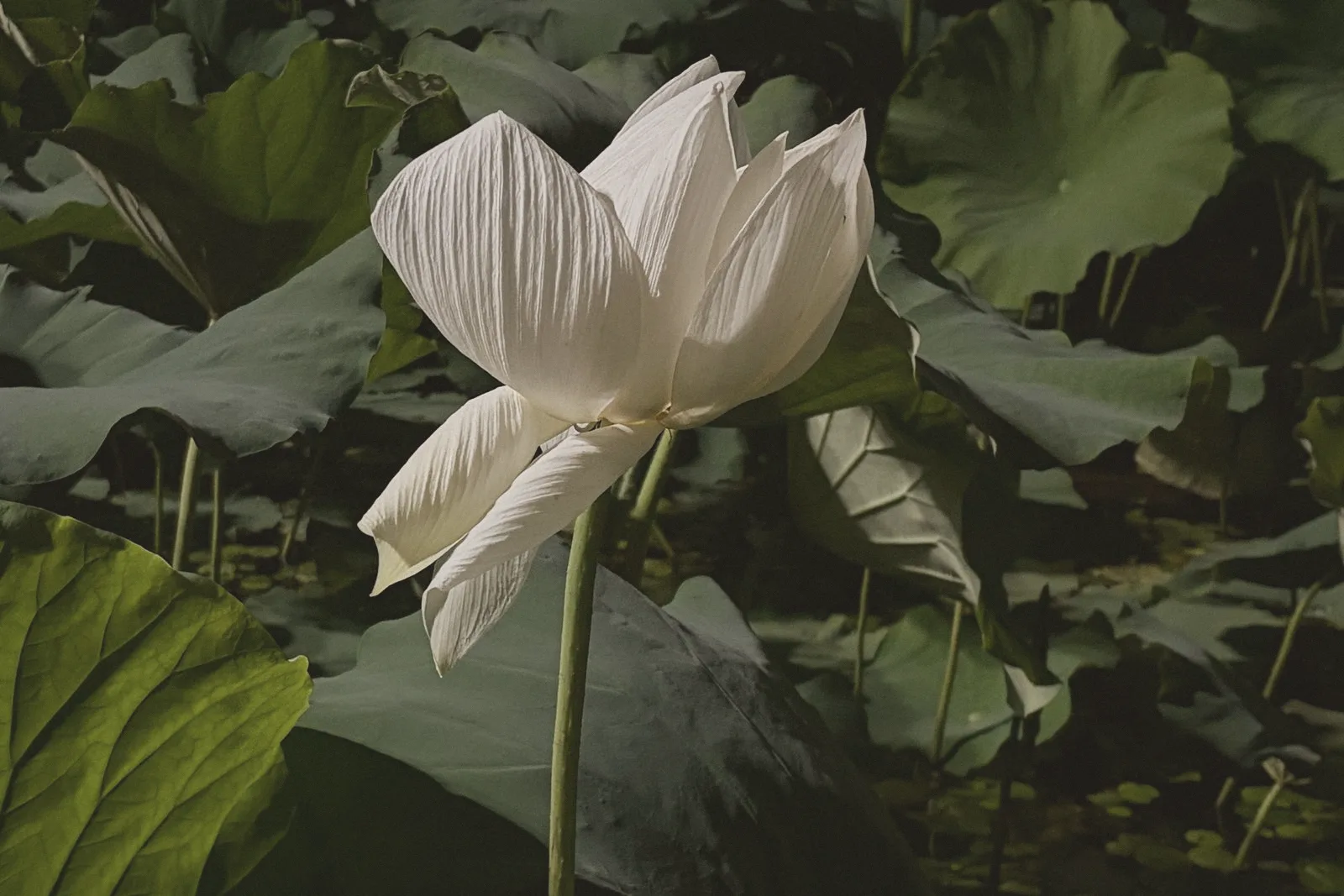
A cica cream is a moisturizer that contains extract of centella asiatica, a tropical plant, or compounds taken from it such as madecassoside. Small trials link centella creams to better hydration and less water loss, but most tested centella inside a full moisturizer, so judge the whole ingredient list, not the cica name.
Your cheeks went pink after a new exfoliant, or the heating came on and your face now feels tight an hour after moisturizing, and every shelf you look at offers the same answer in green packaging: cica. So what is a cica cream, and is it the fix for skin that looks red and feels stretched? It is a moisturizer with one plant added. Knowing which part of the jar does what makes it much easier to pick one, or to decide you don’t need one.
What is a cica cream?
A cica cream is a moisturizer that contains centella asiatica, a plant from tropical and subtropical Asia and Africa, or one of the compounds purified from it. Cica is a beauty-label nickname, not an ingredient name. On the ingredient list you will see Centella Asiatica Extract, Centella Asiatica Leaf Extract or Leaf Water, or the compounds themselves, such as Madecassoside and Asiaticoside.
Those compounds are what the research focuses on. A 2023 review in the Journal of Cellular and Molecular Medicine summarizes it this way: “The major bioactive constituents of C. asiatica are the pentacyclic triterpenoid glycosides, asiaticoside and madecassoside, and their corresponding aglycones, asiatic acid and madecassic acid.” In plain terms, four related plant compounds, two of which show up on labels by name. Our centella entry in the Ingredient A–Z covers the plant itself in more detail.
The rest of the jar is a regular moisturizer: water, a humectant such as glycerin that draws water into the top layer of skin, oils or butters that soften it, and often an occlusive such as dimethicone or petrolatum that slows water escaping. That base is what you feel on your face.
What does centella actually do for red, tight skin?
In small human studies, creams with centella extract raised skin hydration and lowered water loss, and in one test they reduced the reaction to a mild irritant. The clearest study of the extract on its own comes from Poland. In 2016, researchers had 25 volunteers apply creams and gels with 2.5% or 5% centella extract to their forearms twice a day for 4 weeks. The 5% versions worked best, raising surface hydration and reducing water loss through the skin, and they also reduced the reaction to methyl nicotinate, a substance used in lab tests to provoke mild skin inflammation. The authors concluded that “cosmetic formulations containing Centella asiatica extract have the moisturizing and antiinflammatory properties.”
An Italian study in 2017 tested a fluid that combined 1% hyaluronic acid, 5% glycerin and a centella stem-cell extract on 20 women. After one application, skin hydration was 59% higher at 1 hour, 48% higher at 8 hours and 29% higher at 24 hours than at the start, and water loss at 24 hours was lower than on the untreated forearm. The study was run with the manufacturer, and the formula’s hyaluronic acid and glycerin would raise hydration by themselves, so it shows what a centella-containing moisturizer can do rather than what centella adds.
Most of what explains why the compounds might calm skin comes from cells in dishes rather than faces. That gap matters when you read a label promising to repair anything.
What is in a cica cream besides cica?
Usually a full moisturizer, often with panthenol, and sometimes extra soothing ingredients. One well-studied formula type pairs 5% panthenol (provitamin B5) with madecassoside and the trace minerals copper, zinc and manganese. A 2019 Thai trial tested that kind of cream on 20 people after a laser skin procedure, using it on one half of the face and a mild steroid cream on the other. The two sides recovered from swelling, redness, crusting and flaking similarly within 5 to 7 days. That is a situation far more intense than winter tightness, and it was a combined formula, but it shows how these creams are designed: centella compounds plus a barrier-supporting base. Our guide to what panthenol does for skin covers that second ingredient.
When you compare cica creams, read three things on the ingredient list:
- Where centella sits. Ingredients are listed roughly from most to least. An extract near the end is likely a small amount.
- What seals. Petrolatum, dimethicone, shea butter or plant oils near the top mean a richer cream that holds water in for longer.
- What might sting. Fragrance, essential oils and high doses of exfoliating acids are worth avoiding while your skin is red and reactive.
Is a cica cream better than a regular moisturizer?
Not automatically, and no study has compared the two head to head. A cica cream is a regular moisturizer with centella added, so the honest question is whether the centella adds anything you would notice. The small trials above suggest it can add some hydration and a calmer look to mild irritation. The moisturizing base decides how well it holds water in.
That base matters because of how moisturizers protect skin. A 2016 review in the Indian Journal of Dermatology reports that petrolatum at 5% or more reduces water loss through the skin by more than 98%, while lanolin, mineral oil and silicones reduce it by 20 to 30%. A thin cica gel with no real occlusive may feel cooling on red cheeks for ten minutes and still leave them tight by the afternoon. A plain, rich cream without any plant extract may do more for winter tightness.
So a cica cream earns its place when you want both: a base that suits how dry your skin is, plus an ingredient with some evidence for calming. If your skin feels stripped from over-exfoliating or cold weather, start from the base, then let centella be the tiebreaker. Our explainer on why everyone is talking about skin barrier repair covers what that base needs to contain.
How long does a cica cream take to work?
Hydration changes can show within hours; anything beyond that takes weeks. In the 2017 study, hydration rose within 1 hour of a single application. In the 2016 study, the measurements were taken weekly over 4 weeks. A French trial that paired 5% vitamin C with 0.1% madecassoside ran for 6 months before reporting improvements in fine lines, firmness and hydration in 20 women, and because both ingredients were in the same cream it cannot say how much came from madecassoside.
Give a new cica cream 2 to 4 weeks of steady use before you judge it, and judge it on comfort first: does your skin still feel tight at midday?
Who should be careful with cica creams?
Most people tolerate centella well, but allergic reactions do happen. US safety reviewers assessed 9 centella-derived cosmetic ingredients in 2023 and concluded they are safe as used in cosmetics when formulated to be non-sensitizing. Allergy case reports exist, mostly from Europe, and a 1996 Spanish allergy clinic report described centella as “a weak sensitizer.” If your skin reacts to many products, patch test the cream first.
Also be realistic about what a cream can do. In a 2007 German trial of 88 people with mild to moderate eczema, an ointment combining centella with two other plant extracts did slightly better than the plain base cream, but the difference was not statistically significant. Redness that keeps coming back, burns, flakes in patches or itches is worth showing a dermatologist rather than covering with a calming cream.
Editor’s note
Two of the products I use carry centella in their names: haruharu wonder’s Centella 5% Niacinamide Radiance Gel Cream and its Centella Sunflower Makeup-Melting Cleansing Balm. Reading the two labels side by side makes the point of this piece better than any study. The same plant name sits on a water-based gel that stays on my face and on an oil balm I rinse off within a minute. The cica name tells you what was added, not what kind of product you are holding.
How do you use a cica cream?
Use it as your moisturizer, after cleansing and any serum, once or twice a day. In the morning, sunscreen goes on top. If your skin is reacting, cut the routine back while you use it: pause exfoliating acids and retinoids until the redness and tightness settle, then bring them back one at a time. If winter is what set things off, our piece on why skin gets more sensitive in winter explains what the cold does to the barrier.
This article is for general cosmetic information and is not medical advice. If redness, itching or flaking persists, speak with a dermatologist.
Evidence: The human evidence for centella creams comes from small trials, most of them testing formulas that mix centella with other moisturizing ingredients; much of what is known about how its compounds work comes from lab studies on skin cells.
- haruharu wonder: Centella 5% Niacinamide Radiance Gel Cream
What is cica in skincare?
Cica is the beauty-label name for centella asiatica, a plant that grows in tropical and subtropical parts of Asia and Africa. On an ingredient list it appears as centella asiatica extract, leaf extract or leaf water, or as its purified compounds, such as madecassoside and asiaticoside.
What are the main cica cream ingredients?
Usually a centella extract or one of its compounds, plus a standard moisturizing base: water, a humectant such as glycerin, emollient oils or butters, and often an occlusive such as dimethicone. Some, such as a formula type tested after laser procedures, also add panthenol. The base is what decides how rich the cream feels.
Is cica cream better than a regular moisturizer?
No trial has compared the two directly. A cica cream is a moisturizer with centella added, and small studies suggest centella extract can add some hydration and calming benefit on top of the base. If your current moisturizer keeps your skin comfortable, a cica label alone is not a reason to switch.
Can you be allergic to cica cream?
Yes, though it appears to be uncommon. Allergic reactions to centella asiatica have been reported in individual case reports, and one allergy clinic described it as a weak sensitizer. Patch test a new cica cream if your skin reacts easily.
- Bandopadhyay S, et al. Therapeutic properties and pharmacological activities of asiaticoside and madecassoside: A review. J Cell Mol Med. 2023;27(5):593-608.
- Ratz-Łyko A, Arct J, Pytkowska K. Moisturizing and antiinflammatory properties of cosmetic formulations containing Centella asiatica extract. Indian J Pharm Sci. 2016;78(1):27-33.
- Milani M, Sparavigna A. The 24-hour skin hydration and barrier function effects of a hyaluronic 1%, glycerin 5%, and Centella asiatica stem cells extract moisturizing fluid. Clin Cosmet Investig Dermatol. 2017;10:311-315.
- Haftek M, et al. Clinical, biometric and structural evaluation of the long-term effects of a topical treatment with ascorbic acid and madecassoside in photoaged human skin. Exp Dermatol. 2008;17(11):946-52.
- Klövekorn W, et al. A randomized, double-blind, vehicle-controlled, half-side comparison with a herbal ointment containing Mahonia aquifolium, Viola tricolor and Centella asiatica for the treatment of mild-to-moderate atopic dermatitis. Int J Clin Pharmacol Ther. 2007;45(11):583-91.
- Lueangarun S, et al. Efficacy and safety of moisturizer containing 5% panthenol, madecassoside, and copper-zinc-manganese versus 0.02% triamcinolone acetonide cream in decreasing adverse reaction and downtime after ablative fractional carbon dioxide laser resurfacing. J Cosmet Dermatol. 2019;18(6):1751-1757.
- Johnson W Jr, et al. Safety assessment of Centella asiatica-derived ingredients as used in cosmetics. Int J Toxicol. 2023;42(1_suppl):5S-22S.
- Gonzalo Garijo MA, et al. Allergic contact dermatitis due to Centella asiatica: a new case. Allergol Immunopathol (Madr). 1996;24(3):132-4.
- Sethi A, et al. Moisturizers: the slippery road. Indian J Dermatol. 2016;61(3):279-87.
Editorial content, not medical advice.